



Thanks again to everyone who visited us at the show. We enjoyed meeting you and hope to see you again soon!
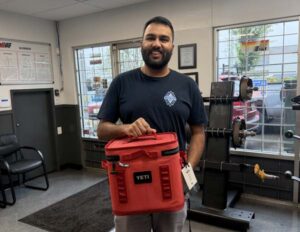
Congratulations to our draw prize winner!
Thank you to everyone who stopped by the Vanaxle booth at the 2026 APNA trade show. We really appreciate everyone who took the time to come by, say hello, and enter our Yeti Cooler prize draw.Thanks again to everyone who visited us at the show. We enjoyed meeting you and hope to see you again soon!
LiquidSpring
Looking to give your vehicle a smoother, safer ride? Whether you’re exploring remote backroads in an overland vehicle or traveling thousands of highway miles on your next cross-country trip in an RV, the vehicle’s suspension can make or break the experience. That’s why Vancouver Axle and Frame is proud to be an authorized Liquid Spring dealer and Installer.
LiquidSpring is the active suspension system designed to instantly adapt to demanding terrain, giving you more comfort, control, and confidence on the road. Read on to learn more about why LiquidSpring is worth adding to your vehicle.
What is LiquidSpring?
Unlike most suspension upgrades that simply swap out factory passive components for better passive components, LiquidSpring is an integrated fully active hydraulic system. LiquidSpring goes several steps beyond traditional leaf springs, air bags, sway bars, and helper springs.
Instead of relying on passive components that react after the fact, LiquidSpring uses a fully active hydraulic suspension system that continuously adapts to changing road and terrain conditions in real time. This active system is designed to deliver controlled articulation, adjustable ride height, and performance that goes far beyond stock capability.
LiquidSpring for RV’s
Whether RVing is your hobby or your way of life, you want your vehicle to be ready for the road ahead. Keep your recreational vehicle safe for travel with active suspension. Most RVs and motorhomes are built on commercial truck chassis designed for durability and carrying heavy loads. For many drivers, this doesn’t provide a comfortable ride.
Fortunately, LiquidSpring has a fully integrated system that absorbs impacts in real time and continuously adapts to the road. For RV owners, this provides a more comfortable driving experience, better confidence behind the wheel, and less wear and tear on both passengers and equipment. Additionally, Tru-Earth Leveling® is LiquidSpring‘s Smart Suspension leveling system that levels your RV automatically without jacks or blocks. Not only does this help extend your vehicle’s operational life but it also dramatically reduces setup time.
LiquidSpring for Adventure Trucks
The same technology that benefits RV travelers also creates new possibilities for overlanders and adventure truck enthusiasts. One of the biggest challenges for overlanders is that the vehicle weight is constantly changing. Rooftop tents, camping equipment and other gear can add thousands of pounds to a vehicle. Traditional suspension setups are often a compromise between unloaded comfort and loaded capability.
LiquidSpring adventure truck suspension delivers unparalleled off-road capability. RideSync® from LiquidSpring is the suspension that automatically adjusts whether your truck is fully loaded or running empty so you can enjoy consistent ride comfort and control every mile. Not only is RideSync® the ideal choice for adventure trucks but it can also be added to work trucks, towable campers and more.
Choose Vancouver Axle and Frame for LiquidSpring Smart Suspension
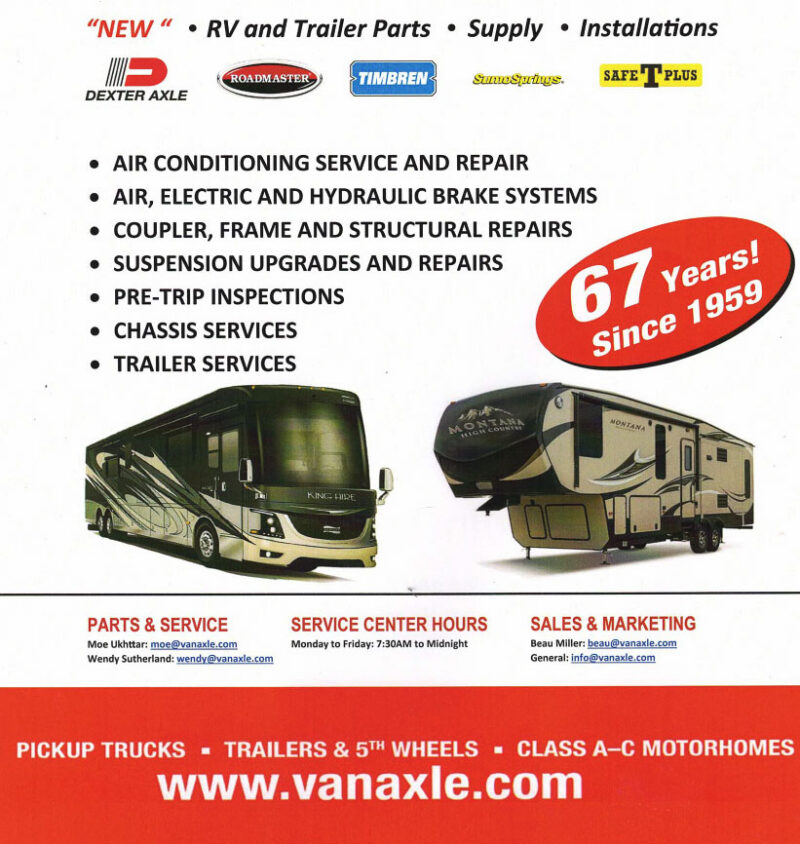
We know you want the best when it comes to your vehicle. Since 1959, VanAxle has been an industry-leading vehicle service and repair company in the Fraser Valley. Our knowledgeable, friendly and experienced team of mechanics will go the extra mile for every client that we serve.
Interested in learning more about LiquidSpring or ready to add it to your vehicle? We’re happy to answer any questions that you might have. Contact us today to inquire about our services or schedule an appointment.
Congratulations to our Yeti Cooler Prize Draw Winner!
Thank you to everyone who stopped by the Vanaxle booth at the 2026 RV Trade Show at TRADEX Abbotsford from February 18 to 21. We really appreciate everyone who took the time to come by, say hello, and enter our Yeti Cooler prize draw.Thanks again to everyone who visited us at the show. We enjoyed meeting you and hope to see you again soon!

Tire Wear Patterns, Causes and Solutions
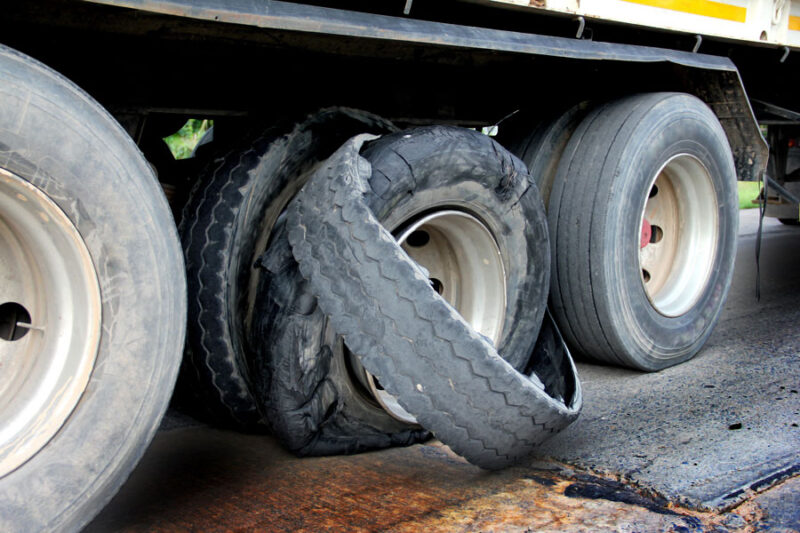
Tires are one of the most important parts of a vehicle when it comes to performance and safety. However, tire conditions are often overlooked. Every driver should know that uneven wear patterns, premature balding and edge wear aren’t just signs of aging tires. While it’s easy to blame rough roads or potholes, they can often be red flags pointing to deeper issues with your alignment or suspension.
At Vancouver Axle & Frame, we believe that a maintained fleet is a safer fleet. Whether you’re driving a passenger car or a heavy-duty vehicle, understanding the relationship between your tires and the road is key to safer, smoother driving. Let’s break down how different road surfaces impact tire wear, what patterns to watch for, and why regular alignment checks could save you hundreds in tire replacements (and improve your ride quality while you’re at it).
Identifying Causes of Tire Wear
One of the best ways to save yourself from costly repairs and driving conditions is to know how to spot the signs of early tire wear. Common indicators include everything from improper alignment to suspension issues. Additionally, harsh conditions from the road itself due to uneven surfaces and potholes can quickly degrade the tires condition. Aggressive driving behaviors such as hard braking, rapid acceleration, and fast cornering can also accelerate tire wear.
Common Tire Wear Patterns
Tire wear patterns can show a lot about the health of a vehicle. The best way to prevent costly repairs and dangerous driving conditions is to know what signs of tire wear to look out for. Here are the most common tire wear patterns:
- Center wear: excessive wear in the center of the tread usually due to overinflation of the tire
- Edge wear: excessive wear on the outer edges of the tire usually due to underinflation
- Cupping: irregular, cup-like depressions around the tire that causes it to wobble or making a thumping noise
- Flat spots: a section of the tire tread is noticeably thinner than the rest of the tire
Ways to Reduce Tire Wear
We recommend conducting regular visual inspections of your tires. Be sure to check the tread depth and pay close attention to any vibrations or pulling of the vehicle while driving. It’s also important to keep tires properly inflated according to the manufacturer’s recommended pressure. Additionally, regular tire rotation—typically every 5,000 to 8,000 miles—ensures even tread wear across all tires.
Preventative maintenance can go a long way to ensure that your fleet remains safe out on the road. Should your vehicle show one or more of the above symptoms, we recommend taking your car to a reputable technician for a thorough inspection. Regular tire rotation, proper inflation, and routine maintenance are essential to minimizing wear and extending tire life.
Visit Vancouver Axle and Frame for Vehicle Maintenance Service
Paying attention to your tires isn’t just about performance—it’s about protecting your investment and ensuring every drive is as safe and efficient as possible. As a full-service repair facility serving the Fraser Valley, BC., we know how important it is to stop premature tire wear and suspension malfunctions before they start.
Contact us today to schedule an appointment for your truck or vehicle’s repair and maintenance.
Brakes and Commercial Vehicle Inspections

Why Regular Brake Inspections Matter
Routine brake inspections are essential for ensuring the safety and reliability of your vehicle. Over time, brake components like pads, rotors, and fluid can wear down or become contaminated, compromising their effectiveness. Without proper inspection, minor issues can escalate into major safety hazards, leading to longer stopping distances, reduced control, or even brake failure. Routine checks also help identify potential problems early, which can save you from costly repairs and prevent accidents. By prioritizing brake inspections, you not only extend the life of your braking system but also protect yourself and others on the road.
In general, a commercial vehicle’s air brake system should undergo a visual inspection at least every three months, with more detailed inspections performed based on the specific application and manufacturer guidelines. For line haul tractors, this typically includes a comprehensive inspection every six months or after 100,000 miles, whichever comes first. In on-highway line haul operations, inspections may be required every four months, especially when brake seals are replaced or the brakes are relined.
Key Components to Check During Brake Inspections
During a brake inspection, several key components should be checked to ensure the system functions properly. Regular checks of these areas can prevent costly and dangerous brake system failures down the road:
Brake Pads:
These are some of the most common worn down areas. Inspecting the thickness of the brake pads helps determine if they need to be replaced. Worn pads can reduce braking efficiency and cause damage to other components.
Brake Rotors:
Rotors are checked for grooves, cracks, or uneven wear. Warped or damaged rotors can cause vibrations, reduced stopping power, and excessive brake pad wear.
Brake Fluid:
Brake fluid should be at the proper level and free of contaminants. Old or low fluid can lead to poor braking performance and potentially cause brake failure. It should also be checked for moisture, which can cause corrosion in the system.
Brake Lines and Hoses:
Inspect for leaks, cracks, or signs of wear. Damaged brake lines can lead to a loss of brake fluid and a complete failure of the braking system.
Brake Shoes (for drum brakes):
If your vehicle has drum brakes, then the condition of the brake shoes should be inspected. Like brake pads, they can wear down over time and should be replaced when necessary.
ABS (Anti-lock Braking System) Sensors:
For vehicles equipped with ABS, the sensors should be inspected for dirt, damage, or misalignment, as these can affect the system’s ability to prevent wheel lockup during emergency braking.
We’re Qualified for Commercial Vehicle Inspections

These inspections are designed to ensure that all vehicles meet safety standards and are operating at their best, reducing the risk of accidents and costly breakdowns. They typically cover key components like brakes, tires, lights, steering, and suspension, along with other vital systems. Regular inspections not only help identify potential issues before they become major problems but also keep businesses compliant with government regulations. For fleet managers, staying on top of these inspections is an investment in the longevity of their vehicles and the safety of their drivers on the road.
Schedule Regular Brake Inspections for Your Fleet
Ensuring that your commercial vehicle’s brakes are in top condition is not just a matter of compliance—it’s a matter of safety. Regular inspections and maintenance help prevent costly repairs, reduce downtime, and most importantly, protect your drivers and the public.
Since 1959, Vancouver Axle & Frame in Surrey, BC has strived to be the number one alignment and suspension specialist in the Lower Mainland and Fraser Valley. By staying proactive with brake checks and vehicle inspections, you’re investing in the longevity of your fleet and contributing to safer roads. We would be happy to answer any questions or concerns that you might have.
Contact Vanaxle today to schedule an inspection!
RV Suspension Upgrades & Maintenance

Why RV Suspension Systems Matter
The primary purpose of a suspension system is for smooth handling and towing capabilities on the road. This is especially important when driving in harsh weather conditions, navigating winding roads and making sharp turns. An effective suspension system reduces the risk of swaying and handling issues, particularly when towing a trailer or driving a larger motorhome. Routine maintenance and inspections will ensure your vehicle is ready for the open road. It will also let you know if any suspension upgrades are necessary.
Signs of Suspension Trouble
Your suspension system works hard to keep your tires on the road and your wheels in line. However, you likely won’t give them any thought when it’s functioning correctly. So, how can you tell if something is wrong with your vehicle? Here are a few signs that your vehicle has a suspension problem:
- Pulling to one side
- Feeling every bump
- Difficulty steering
- Dipping when braking
Although there is no set duration or mileage recommendation for RV suspension maintenance, it is beneficial to visually inspect all components at least twice a year or every 6,000 miles.
Ways to Keep Your RV Suspension in Peak Condition
If you want to guarantee safety and top performance, you need to maintain and repair your suspension parts; springs, shock absorbers, ball joints, and other parts of your vehicle’s suspension. Here are 5 maintenance tips to help you maintain your RV’s performance and ensure worry-free travel.
- Routine inspections: Look for signs of wear or damage.
- Replace shocks and springs: Consult your RV’s manual or a qualified technician for guidance on if a replacement is needed.
- Check wheel alignment: It might be time for your vehicle’s alignment to get checked if you notice uneven tire wear or your RV pulling to one side.
- Inspect bushings and joints: These components can wear out over time and should be checked in case a replacement is necessary.
- Check tire pressure: Maintaining the recommended tire pressure amount will help ensure a smooth ride and reduce tire wear.
Potential Upgrades for Your RV Suspension System
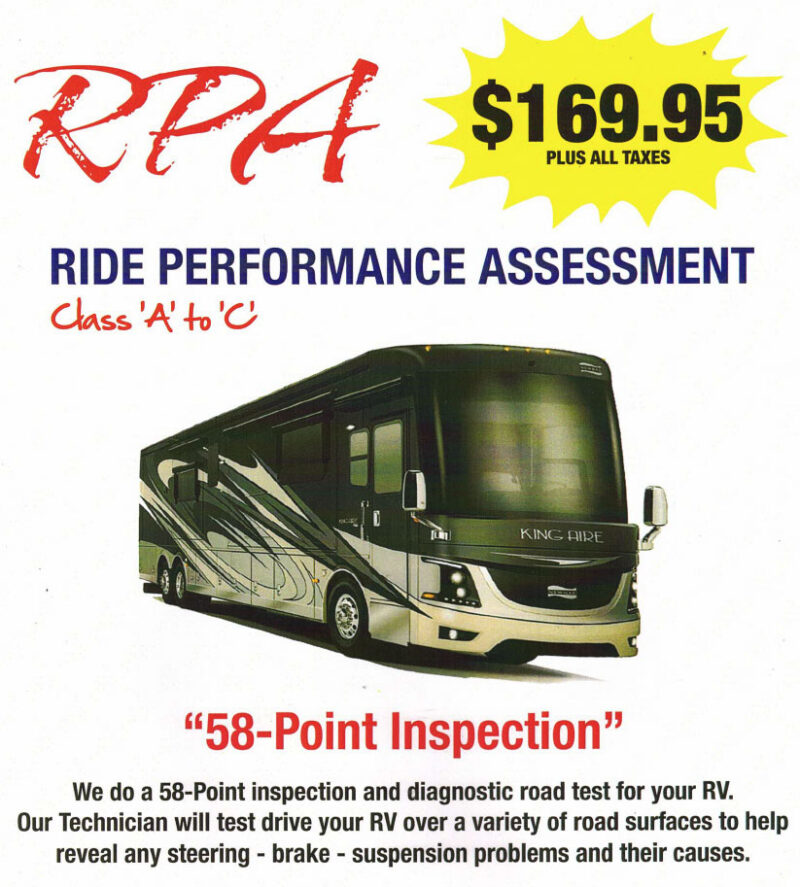
Suspension upgrades improve towing and driving capabilities. At Vancouver Axle & Frame, we provide Timbren suspension upgrades and other ride-enhancement products and suspension services in Surrey, BC. Timbren suspension upgrades have innovative designs that reduce loading and towing problems. Upgrade with a Timbren kit and regain your confidence on the road.
Choose Vanaxle for Your RV Suspension Upgrades & Maintenance Needs
If you’re not already taking preventative measures for your vehicles, now’s the time to consider doing so. It’s a wise investment that can save you time and money in the long run. At Vanaxle, we’re proud of our enduring history of quality and professional services. Our knowledgeable, friendly and experienced team of mechanics will go the extra mile for every client we serve. We want to be your first call for preventative maintenance and a thorough inspection of your vehicles.
Contact us today or call (604) 882-5112 to inquire about our services or schedule an appointment.
Custom U-bolts

Custom U-bolts can be made to your specific specifications, making it easy to tackle personal repairs or projects. Finish the repairs on your vehicle, machinery or custom projects with the help of custom U-bolts from Vancouver Axle & Frame. We offer custom U-bolts for cars, trucks, and other heavy truck and trailer applications.
What are U-bolts?
The importance of U-bolts is often overlooked. But they shouldn’t be. U-bolts are used for many applications to provide a stable and secure joint. These small but important restraints can be the difference between stable structures and on-site disasters.
U-bolts keep the leaf spring secure to the axle, ensuring proper axle position to maintain the right suspension geometry and driveline angles. Besides their ability to absorb shock, they’re also used to keep the spring at optimal stiffness.
When is a Custom U-bolt Needed?
U-bolts can be used in many projects across construction and industrial settings. The “U”, or bent shape of the bolt keeps it firmly in place, adding security and stability to the joint. Common uses for custom U-bolts are:
- Motor and engine shaft component fasteners
- Piping support
- Framing fasteners
Why Specific Measurements are Needed
Bolts can run anywhere from a quarter of an inch to a full inch in rod size. We custom-build U-bolts according to the industry standard in any size you need.
To order custom U-bolts, simply specify the following information:
- Rod thickness
- Inside width (inches)
- Inside length (inches)
- Type of bend
You can drop by with a sample, and we’ll bend them while you wait. Or, fill out our U-bolt order form and we’ll get your order started.
Choose VanAxle for All Your Suspension System Needs
Since 1959, Vancouver Axle & Frame has strived to be the #1 alignment and suspension specialist in the Fraser Valley. No matter what type of custom U-bolt you need, VanAxle will always supply you with the right option for your vehicle. We take pride in custom making U-bolts of the highest quality, ensuring reliability you can count on. We’re happy to answer any questions or concerns that you might have.
Contact us today to inquire about our services or schedule an appointment.
5 Benefits of Preventative Maintenance
When it comes to your vehicles, a well-maintained fleet is a safer fleet. Preventive maintenance is more than just the process of changing oil and fluids on a single car. It is a valuable option for individuals and businesses of all sizes. If you are not already taking preventative measures for your vehicles, now’s the time to consider doing so. It is a wise investment that can save you money and headaches in the long run.
Here are 5 benefits of preventative maintenance you need to know.
- Increased Safety
A vehicle should get you from one destination to another without accidents or breakdowns. But you can’t predict when or where you’ll be when that failure happens. Fleet maintenance not only helps ensure the safety of the vehicle’s operator but those on the road around them as well. Preventative care includes regular inspection, cleaning, and servicing to identify and fix small issues before they become bigger down the line. - Less Vehicle Downtime
Work can come to a grinding halt when a company vehicle is broken down on the side of the road. Proactive fleet maintenance can reduce this risk and minimize repair downtime. Any worn down or damaged parts will be checked and replaced. Additionally, preventive maintenance can be scheduled during off-peak hours, such as nights or weekends, when vehicles are not being used as much. This can help to reduce the impact of downtime on operations. - Extended Vehicle Lifespan
When it comes to a vehicle’s lifespan, the manufacturer’s recommended maintenance schedule should be followed to ensure that the vehicle is properly maintained. Additionally, using high-quality parts and fluids will prevent them from premature failure. Periodic inspections are a few ways to keep heavy-duty vehicles running smoothly and safely for a long time. - Reduced Repair Costs
The cost of preventive maintenance is typically much lower than the cost of unplanned repairs. If you don’t repair them early, the problems can continue to grow worse or cause damage to other parts of your car. You can prevent serious damage from occurring to the mechanical parts inside and prevent the need for potentially expensive repairs. - Fewer Interruptions to Business Operations
Equipment that sees routine preventive maintenance also runs more efficiently. Oil changes, examining hoses and filters, checking spark plugs, as well as careful inspection of a vehicle’s brakes and overall engine health are just a few examples of routine maintenance. These regular checkups will greatly improve your vehicle’s performance, mileage, durability, and longevity. With less time being spent on repairs, more time can be put towards other important matters.
Contact Vanaxle Today for Preventative Maintenance
A full service will keep your car in top driving condition at all times. If you’re overdue for routine maintenance, it might be time to schedule an appointment for your commercial car or truck with Vancouver Axle & Frame. Our knowledgeable, friendly and experienced team of mechanics will go the extra mile for every client that we serve. We want to be your first call for your truck or trailer repairs and maintenance.
Contact us today to schedule an appointment with one of our certified technicians.
Rear Wheel Alignment
Whether you drive a car, an SUV, or a large truck, a rear-wheel alignment will be needed on occasion. Rear-alignment services are performed to help maximize your vehicle’s tire life, provide exceptional handling and ensure proper steering. If left unchecked, wheel misalignment can result in a number of issues down the line.
Not sure if your vehicle is in need of rear-wheel alignment service? Read on to learn more about the importance of rear-wheel alignment.
Do Rear Tires Need Alignment?
Yes! Rear wheels, much like the front wheels, can fall out of alignment over time. If this occurs even just a little, this can affect tire life and vehicle tracking. There are various reasons to get an alignment.
Measurement and correction of all the major truck alignment angles are necessary to achieve maximum efficiency. This can help improve everything from extending tire mileage to improving your gas mileage. Furthermore, rear-wheel alignment services identify problems early before they become even more costly down the line. At VanAxle, our highly skilled technicians specialize in everything from medium-duty truck alignments to alignment for heavy-duty commercial trucks, including industrial cranes and heavy equipment.
Difference Between Rear End Alignment & Front End Alignment
A front-end alignment, also referred to as a two-wheel or standard alignment, is a common auto service that refers to the steering alignment of the two front wheels only. A technician completes this job by manipulating and angling your suspension components according to the manufacturer‘s specifications. During this time, the technician may also adjust certain components within the steering system.
Conversely, a rear-end alignment is commonly known as a four-wheel alignment. When this service is performed, the technician will have to adjust all four wheels. Because 4×4 vehicles often have adjustable rear suspensions, rear wheel alignment is required. This process is particularly beneficial on vehicles with adjustable rear suspension as it brings all four wheels back in spec and centered for the best performance.
Signs Your Vehicle May Be Out of Alignment
If you are having trouble steering and keeping your vehicle straight on the road, then this could be a sign of trouble with your vehicle’s wheel alignment. This is just one of many signs to look out for. Here are a few additional ways to identify when your car is need of an alignment:
- Uneven or rapid tire wear
- Noisy steering
- Squeaking tires
Should your vehicle show one or more of the above symptoms, we recommend taking your car to a reputable technician for a thorough inspection.
We Provide Alignment Services for Trucks & Vehicles of All Sizes
Routine wheel alignment service is the best way to prevent tire wear on your vehicle. At VanAxle, we know how important it is to stop premature tire wear and suspension malfunctions before they start. Our experienced technicians will take the time to properly inspect your tire’s alignment with precision equipment. We can align one vehicle or your entire commercial fleet. We’ll have your vehicle back in shape and ready to hit the road in no time.
Contact VanAxle now to schedule an appointment or inquire about our truck alignment services.
- 1
- 2
- 3
- 4
- Next Page »


Identifying Causes of Tire Wear